
The Complete Guide to Sourcing STEM & Robotics Kits for K-12 Classrooms
U
utsab420575
Verified Marketplace Contributor
898
2

Integrating robotics into elementary and secondary education is no longer an extracurricular luxury — it is a core foundational skill. However, outfitting a 30-student lab presents unique procurement hurdles.
### 1. Durability and Modular Spare Parts
Student kits will be dropped, disassembled, and pushed to their limits. Look for suppliers who provide modular replacement packs (sensors, motor cables, gears) so an entire kit is not rendered useless by a single misplaced component.
### 2. Software Agnosticism and Longevity
Avoid hardware locked into proprietary subscription software. Prioritize kits that support open-source programming standards like Scratch, Blockly, and Python.
### 3. Safety and Batch Testing
Ensure all kits carry CE, RoHS, and FCC compliance certificates before placing district-level purchase orders.
Article Gallery
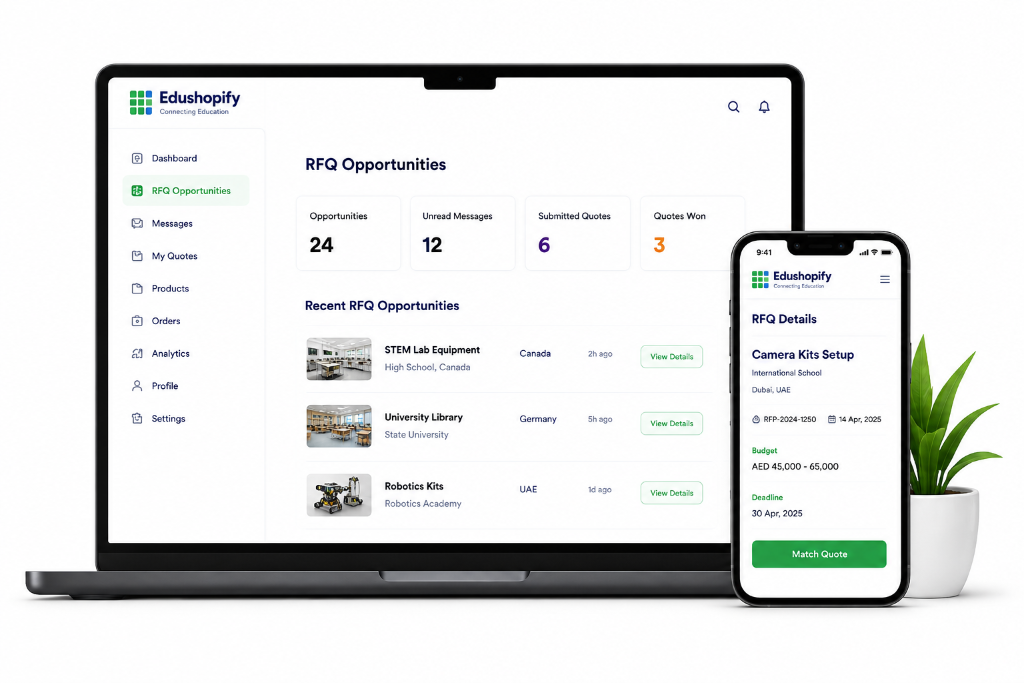
High-resolution diagram illustrating key workflow and specifications.
Discussion & Comments 2
Join the dialogue with school administrators, buyers, and educational equipment suppliers.
Join the discussion
Sign in to leave a comment, reply to members, and like insights.
Sequi minima asperna
1 month ago
Could you elaborate on the warranty terms typically negotiated with overseas manufacturers?